Choosing the thread size for shoes is really important. A lot of people only think about the color or price of the thread. The size of the thread is also very important. If the thread is too thin the seam can become weak. If the thread is too thick the stitching can look bad. The material can get damaged. So picking the thread size (bonded nylon thread, polyester embroidery thread) for shoes helps in making footwear strong, neat and long lasting.
Different shoes need stitching. For example a sports shoe does not need the thread as a heavy safety boot. A soft fashion sandal also does not need the thread as a leather formal shoe. This is why thread size for shoes should always match the use of the footwear.
First it is good to understand what thread size for shoes means. In words, thread size for shoes tells us how thick or fine the thread is. Thicker thread gives a look and more strength to the shoes. Finer thread gives an softer stitch on the shoes. Both are useful. The choice depends on the shoe design, material and purpose of the shoes.
For footwear like sandals, casual flats, children’s shoes and light canvas shoes smaller thread sizes for shoes are often a better choice. These shoes do not face much stress in stitching areas. Also the upper materials are often softer and thinner. A thick thread on such footwear can look rough. It may also make the stitch holes big. That can reduce the beauty of the shoes. So for footwear a finer thread is normally safer and more suitable.
For sports shoes and sneakers the choice should be balanced. These shoes bend a lot during walking, running and daily use. So the stitching should have strength but it should also stay flexible. If thread is too thin it may break after repeated movement. If it is too thick it may make the seam hard. In cases medium thread sizes are used for sneakers because they give both strength and neat appearance to the shoes. This helps the shoes perform well and still look modern.
For leather shoes and formal footwear thread size should match the design and leather thickness of the shoes. Formal shoes usually need an premium finish. If the stitching is very bold the shoes may lose their look.. Still the thread must be strong enough to hold the parts together properly. So many manufacturers choose slightly finer thread for formal footwear. It gives a finish and enough durability for normal use of the shoes.
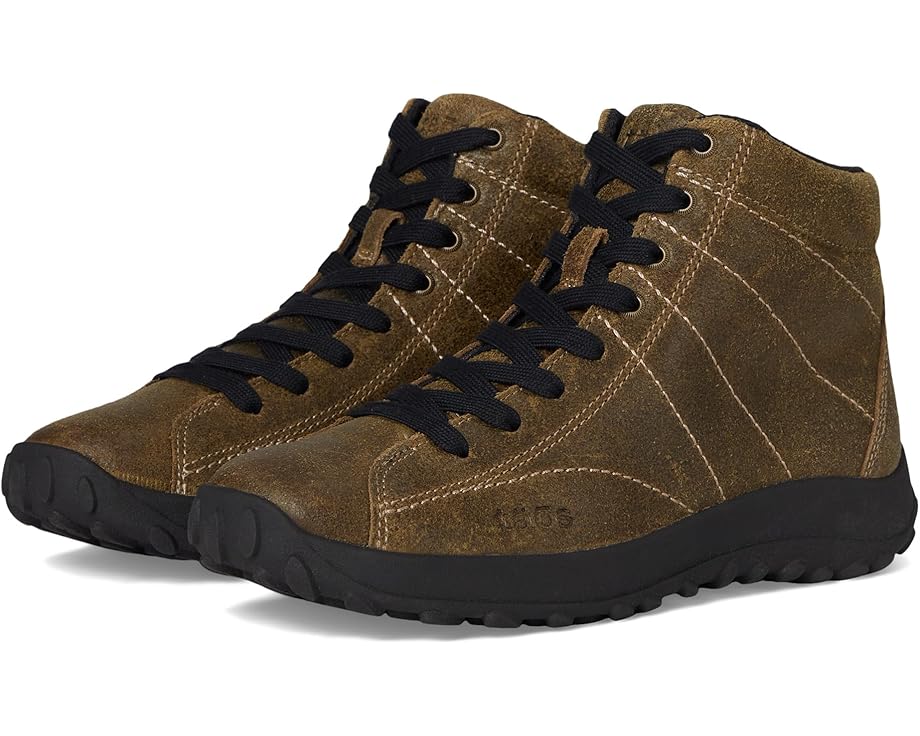
For boots and industrial footwear like safety boots, trekking shoes and work footwear, stronger and thicker thread is often needed. These shoes go through use. They face pressure, weight, friction and outdoor conditions. In cases fine thread may not be enough. A thicker thread gives seam strength and better life to the shoes. It also matches the look of such footwear. For these types of shoes strength becomes more important than a delicate appearance.
The type of material also changes the thread size choice for shoes. If the upper is made of fabric, knit or lightweight synthetic then a heavy thread may damage the material. It can make holes and reduce seam quality.. If the upper is made from leather, coated fabric or thick synthetic material then a stronger and thicker thread may work better for the shoes. So thread size for shoes should never be chosen alone. It should always be checked with the material of the shoes.
The size of the needle is also connected with thread size for shoes. This is one point many people ignore. If thread and needle do not match stitching problems can start. Thread may break again and again. Skipped stitches may happen. Seam may look uneven. Machine speed may also get affected. So when choosing thread size for shoes, machine settings and needle size should also be checked properly.
The appearance of the stitch is another factor. Some footwear styles need stitching as a design feature. In cases thicker thread can add beauty to the shoes. It gives an stylish look. This is common in boots, casual leather shoes and some fashion footwear.. For shoes where stitching should look clean and less visible a finer thread is better. So the final look of the shoes should also guide the decision.
Testing is always the way to confirm the right thread size for shoes. Even if one thread looks perfect on paper actual shoe production may show results. A sample stitch should be checked for seam strength, stitch balance, hole size and appearance. The shoes should also be flex tested if possible. This gives confidence before bulk production starts.
The cost should not be the deciding factor. Sometimes people choose thread just to save money.. If the seam fails later the loss becomes much bigger. Returns, repairs and poor customer trust can hurt the business. A correct thread size for shoes may look like a decision but it has a big effect on product quality.
In the end there is no one thread size that fits all footwear. Light shoes need thread. Sports shoes need thread. Formal shoes need strong thread. Heavy boots need tougher thread. The best choice depends on footwear type, material, design, machine setup and end use of the shoes.
When thread size is selected with care the footwear looks better performs and lasts longer. That is why good footwear production always starts with smart choices. Thread size, for shoes is one of them.





Be First to Comment