Question arises: How To Find Interns For My Business? Finding the right interns for your business can make a huge difference in your operations and growth. Interns bring fresh perspectives, help with various tasks, and can even become full-time employees in the future. This article outlines a comprehensive approach to sourcing, hiring, and managing interns effectively.
Understanding Your Needs
Before starting the recruitment process, it’s crucial to identify the specific needs of your business. Consider the following:
Departmental Needs

Identify which departments need extra support. Some of the most common areas where interns can make a big difference include:
- Marketing: Interns can help with social media management, content creation, market research, and campaign analysis.
- Human Resources: They can assist with recruitment processes, onboarding new employees, and maintaining employee records.
- IT and Development: Interns can work on software development projects, assist with troubleshooting technical issues, or help maintain databases.
- Finance: They can help with data entry, financial analysis, and report preparation.
Skill Requirements
Determine the skills required for the internship position. This may include technical skills (such as coding or graphic design) or soft skills (communication and teamwork). You may need to have:
- Technical Skills: Familiarity with the software tools used in your industry, such as Adobe Creative Suite for design positions or programming languages for IT positions.
- Analytical Skills: Data analysis and drawing of insights, particularly useful in marketing and finance.
- Interpersonal Skills: Good communication skills for roles involving client interaction or teamwork.
Internship Goals
Identify what you want to achieve with your internship program. Do you want short-term assistance on projects, or are you building a future employee? Consider the following goals:
- Project Completion: Identify specific projects that require additional resources.
- Talent Pipeline: Internships as a way of identifying potential full-time hires.
- Brand Ambassadors: Interns can be ambassadors of your brand on campus or through their networks.
Writing a Good Internship Description
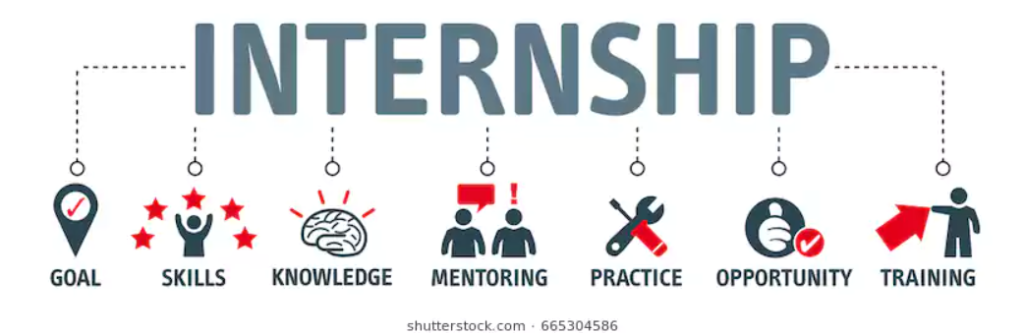
A clear internship description attracts the right candidate. These should include:
Job Title
Clearly state that this is an internship position. Use titles such as “Marketing Intern” or “Software Development Intern” to define the position.
Responsibilities
Outline what the internship students will be doing. Be explicit about what they will be doing day-to-day. For example:
- Market research
- Assist in social media campaigns
- Write blog posts
- Assist in project management tasks
Qualifications
Note all the educational requirements and preferred skills for the internship. For example:
- Enrollment in a relevant degree program (Business Administration, Marketing, Computer Science, etc.)
- Familiarity with specific software tools, such as Microsoft Excel or Google Analytics
- Excellent written and verbal communication skills
Pay
Check whether the position is paid or unpaid and list any benefits. If unpaid, check off that the internship complies with legal standards regarding unpaid internships.
Duration
Mention how long the internship will last and any flexibility in hours. Typical internships range from 10 weeks to 6 months.
How To Find Interns For My Business and Where
Finding interns involves leveraging multiple channels. Here are effective strategies:
1. College and University Career Centers
Partnering with local colleges can provide access to a pool of eager candidates. Career centres often help students find internships and can post job openings on their platforms.
- Career Fairs: Visit career fairs organised by these colleges to connect with potential candidates in person.
- Guest Lectures: Give guest lectures on relevant topics in your industry; this establishes you as an authority and enables students to connect with you directly.
- Internship Programs: Partner with colleges that have formal internship programs; they may have set processes for linking students with employers.
2. Online Job Portals
Use job posting websites like:
- Indeed
- Glassdoor
- Internshala
These platforms allow you to filter candidates based on location, field of study, and other criteria relevant to your business needs. Internship-Specific Sites: Websites like Chegg Internships or WayUp focus specifically on internships and entry-level positions.
3. Social Media
Social media platforms can be powerful tools for recruitment:
- Company Pages: Post about internship opportunities on your company’s social media accounts (Facebook, Twitter, Instagram).
- LinkedIn: LinkedIn is used not only for job postings but also to search for potential candidates directly. You can also join groups related to internships or your industry.
4. Networking
Networking is an essential aspect of sourcing quality interns:
- Industry Events: Attend industry events and seminars where you can meet students and recent graduates.
- Professional Organizations: Leverage professional organisations within your industry that could have job boards or networking events.
5. Referrals
Ask current employees to refer candidates for internships. Having a referral program with incentives will encourage them to refer the right people.
The Interview Process
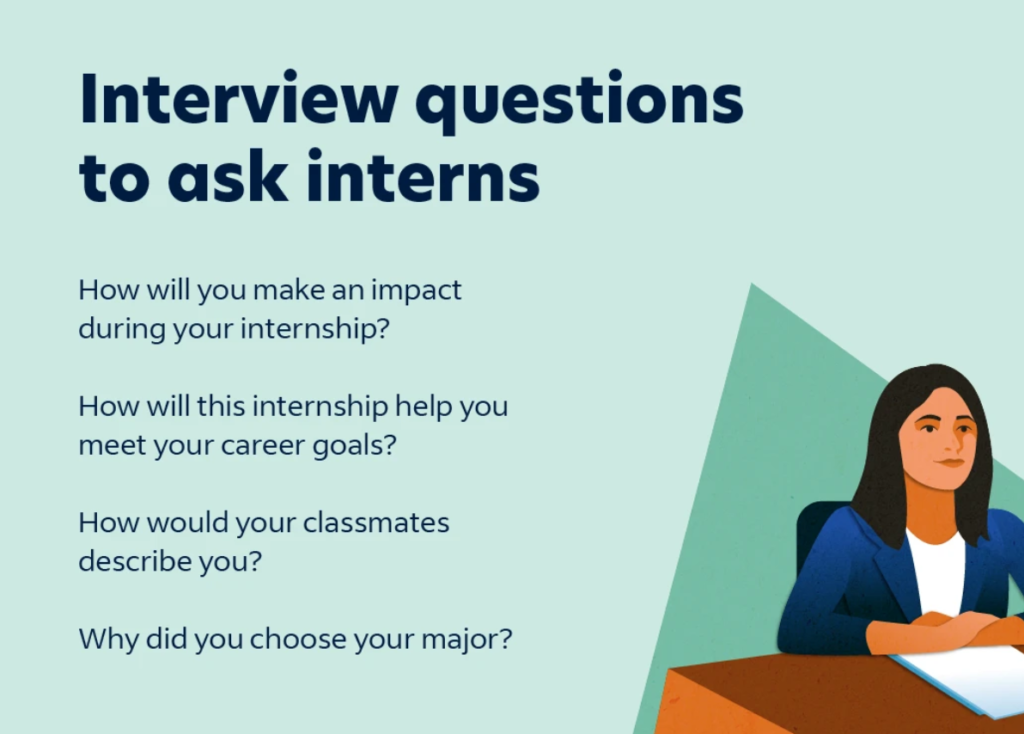
After attracting candidates, it is time to interview. Here are some steps:
1. Initial Screening
Phone interviews can be conducted to determine interest and basic qualifications. This will help weed out those applicants who do not meet the most basic requirements so that time spent on face-to-face interviews is not wasted.
2. Behavioural Interviews
Structured questions are used in behavioural interviews, which assess how candidates have dealt with situations in the past. Behavioural questions could be:
- “Tell me about a time when you had to work under pressure.”
- “Describe a situation where you had to work with others.”
These questions can give you an idea of how a candidate would work in real-life situations.
3. Practical Assessments
Depending on the job, give the candidate a task or project related to their future responsibilities. For instance:
- A marketing intern might create a mock social media campaign.
- A software development intern could be asked to solve a coding problem.
This will help you evaluate them better than just an interview.
Onboarding Interns

A well-planned onboarding process helps interns acclimate quickly:
Orientation Program
Provide an orientation that introduces them to company culture, policies, and their specific roles. Include information about:
- Company values and mission
- Team structure
- Key policies (e.g., dress code, work hours)
Assigning Mentors
Assign mentors who can guide them through their internship experience. Mentors should be approachable and willing to share their knowledge about the industry.
Setting Clear Expectations
Set clear expectations on performance and feedback mechanisms from day one. Discuss goals for their internship period and how progress will be measured.
Training and Development
Investing in intern training not only benefits them but also enhances their contributions to your business:
Structured Training Programs
Develop a structured training program that covers essential skills related to their roles. This could include:
Software training sessions
Workshops or seminars related to professional development, such as resume writing and interview skills.
Hands-on Experience
Provide opportunities for the intern to gain hands-on experience through real projects aligned with their interests and career goals.
Encourage participation in workshops or seminars related to a field of study or aspirational career; this develops them beyond only doing the day-to-day tasks.
Legal Considerations
Internships are subject to all labour laws concerning labour law. Specifically, under the Fair Labor Standards Act:
Understand the Fair Labor Standards Act (FLSA) rules for unpaid internships. They should benefit the student more than anyone else in the education they will be receiving.
1. If offering unpaid internships:
Provide training on par with that which would occur at an educational institution.
Interns should not replace regular employees but should work under the close supervision of existing staff.
2. If offering paid internships:
Adhere to minimum wage laws and overtime regulations.
Assessing Your Internship Program
At the end of each internship cycle, assess the effectiveness of the program:
Intern Feedback
Hold exit interviews to understand their experiences and suggestions for improvement. Ask questions such as:
- What did you like most about your internship?
- What challenges did you face?
Assess how well interns met their objectives and contributed to team goals by comparing initial expectations against actual performance outcomes.
1. Track specific metrics:
- Project completion rates
- Quality of work produced
- The initiative was taken during the internship
2. Solicit feedback from team members who worked closely with interns regarding their contributions.
Long-term Outcomes
Monitor if any interns become full-time employees or stay connected with your company after their internship is over.
- Keep in touch with the successful interns through alumni networks; this can lead to future collaborations.
- Check if the former interns are still champions of your company in their networks; good word-of-mouth helps to improve your employer brand.
Sustaining a Successful Internship Program
To sustain your internship program for a long time, consider the following:
1. Continuous Improvement:
- Evaluate frequently the feedback given by interns as well as by supervisors.
- Modify your training programs according to the changing needs and trends of your organisation.
2. Relationship Building with Educational Institutions:
- Collaborate with colleges/universities which are in line with your business objectives.
- Attend campus events like career fairs or workshops; this increases visibility among students looking for internships.
3. Inclusive Environment:
- Ensure diversity in your pool of interns; diverse teams often bring about innovative solutions.
- Ensure all interns feel valued regardless of background by promoting inclusivity within the company culture.
4. Intern Success Stories
- Show successful intern experiences through blog posts or social media campaigns; more applicants aspire to similar paths.
- Share testimonials from former interns about how they benefited professionally during their time at your organisation.
5. Engagement Beyond Internship Period:
- Keep former interns engaged after they leave by inviting them back for networking events or guest speaker opportunities.
- Develop an alumni network for past interns. This maintains a continuous relationship and increases brand loyalty among past participants.
Effective Strategies for Writing Compelling Job Descriptions to Attract Interns

Attracting the right interns requires a compelling job description. Here are some essential ways your description will appeal to and persuade potential applicants:
1. Begin with a Compelling Company Overview
Start your description with a brief overview of your company: mission, values, and culture. Highlight your success in achievements or significant aspects that make your organisation an attractive place to work.
2. Use Clear Job Titles and Summaries
Choose job titles that best describe the job (example: “Marketing Intern”). Then, give a brief summary of the duties, teamwork, and environment.
3. More Skills Than Experience
Reiterate relevant skills and coursework rather than experience. Tell the intern what they will be learning and what professional development is expected during your internship.
4. Active Voice
Make the writing sound active instead of passive by saying, “You will help formulate marketing strategies” rather than “Tasks will be assigned.”
5. Communicate Clear Expectations
State what daily duties are expected of them, performance measures, and how growth is to occur. This creates management of expectations and trust-building.
6. Write Using Inclusive Language
Use neutral and varied language that creates a diverse array of applicants and avoid jargon and idioms that deter a specific target group.
7. Company Culture
Mention the sort of workplace environment, such as opportunities for collaborations, mentorships, and an overall work-life balance, making the candidate understand his fit there.
8. Use Search Engine Optimisation (SEO)
Use relevant keywords to the position in order to get more visibility on job boards and search engines. Find out popular search terms that are related to internships in your field.
9. Multimedia Elements
Add videos or images to enhance engagement. A video of current employees talking about their experiences will give great insights into your company’s culture.
10. Review and Revise
Have several stakeholders review the job description for clarity and accuracy. Proofread to eliminate errors that could undermine professionalism.
11. Include Application Instructions
Clearly outline how candidates should apply, specifying required materials (resume, cover letter) and application deadlines.
By using these tactics, you can create job descriptions that are compelling enough to attract quality interns who want to contribute to your organisation while gaining valuable experience.
Common Mistakes To Avoid When Hiring Interns
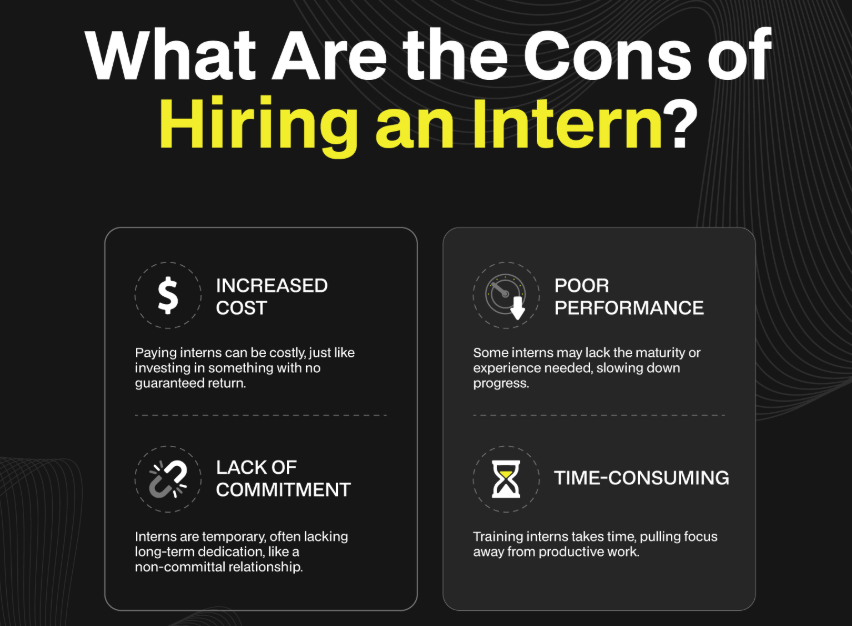
Avoiding common mistakes when hiring interns can significantly improve the effectiveness of your internship program. Here are some pitfalls to avoid:
1. Lack of Clear Job Descriptions
Failing to provide clear and detailed job descriptions can lead to mismatched expectations. Make sure you outline specific responsibilities, required skills, and learning objectives for the internship. This clarity helps interns understand their roles and what is expected of them.
2. Lack of Proper Training and Support
Interns need training and support to achieve success. Failure to train them appropriately will leave them confused or overwhelmed. Provide a mentor or supervisor who can give feedback, answer questions, and guide interns on how to do their work efficiently.
3. Failure to Comply with Legal Requirements
It is also essential to be in accordance with labour laws while hiring interns. Misclassifying interns as unpaid when they must be paid can be an issue before the law. Educate yourself about the FLSA to keep your business on track regarding pay and working conditions.
4. Emphasis on Skills
While skills are essential, focusing solely on them can lead to overlooking cultural fit and potential for growth. Evaluate candidates not only for technical abilities but also for soft skills, work ethic, and how they align with your company values.
5. Not Implementing the Integration of Interns into the Team
Interns may feel disconnected from the rest of the team and, thus, lose motivation and interest. Engage interns in team meetings, social events, and collaborative projects to enhance a sense of belonging and engagement.
6. Failure to Implement Feedback Mechanisms
Failure to put in place a system of feedback may hamper intern development. Check in frequently with interns to discuss their performance, offer constructive criticism, and recognise contributions. This dialogue supports their growth and improves their experience.
7. Unrealistic expectations
It can also lead to disappointment between both parties, as setting exceptionally high standards for interns or expecting them to work at the level of full-time employees is unrealistic. Be realistic about what interns can deliver in the ambit of their experience and give them worthwhile tasks that would meaningfully contribute to your organisation.
8. Failure to Evaluate the Internship Program
Feedback will be gathered about the program with both interns and supervisors on things that worked, those that did not, and so forth. From this, programs would be improved going forward.
It is possible for anyone to avoid mistakes usually made when having an internship to create a productive internship program benefiting both the hosting organisation and its interns, meaning a more prosperous, productive, and rewarding experience for all parties concerned.
Finding the right interns in a strategic and comprehensive approach starts with understanding the needs, including writing job descriptions that will surely attract them through various recruitment channels to conduct in-depth interviews, adequate onboarding and training ensuring legal compliance—and finally, evaluating one’s success post-internship cycle—a step that definitely leads to making sustainable programs overtime!
Time/resources spent toward developing strong internship initiatives improve the capabilities of the workforce and also build positive professional development aspirations among aspiring youth within respective industries.


Be First to Comment